The Barre River Access Task Force is now...
Barre Rivers Collective!

Check out our 2025 Strategic Plan!
River Access Task Force 2025 Strategic Plan
Our Vision
We see a Barre where neighbors and rivers thrive together — where the same grit that built this city now restores its rivers and renews our sense of pride and place. Our vision is a community rooted in care and inclusion, where people can feel welcome, safe, and connected to the rivers of our city.
Our Mission
To promoting and increase river access through community engagement, creation of river access areas, and education.
Our Values
-
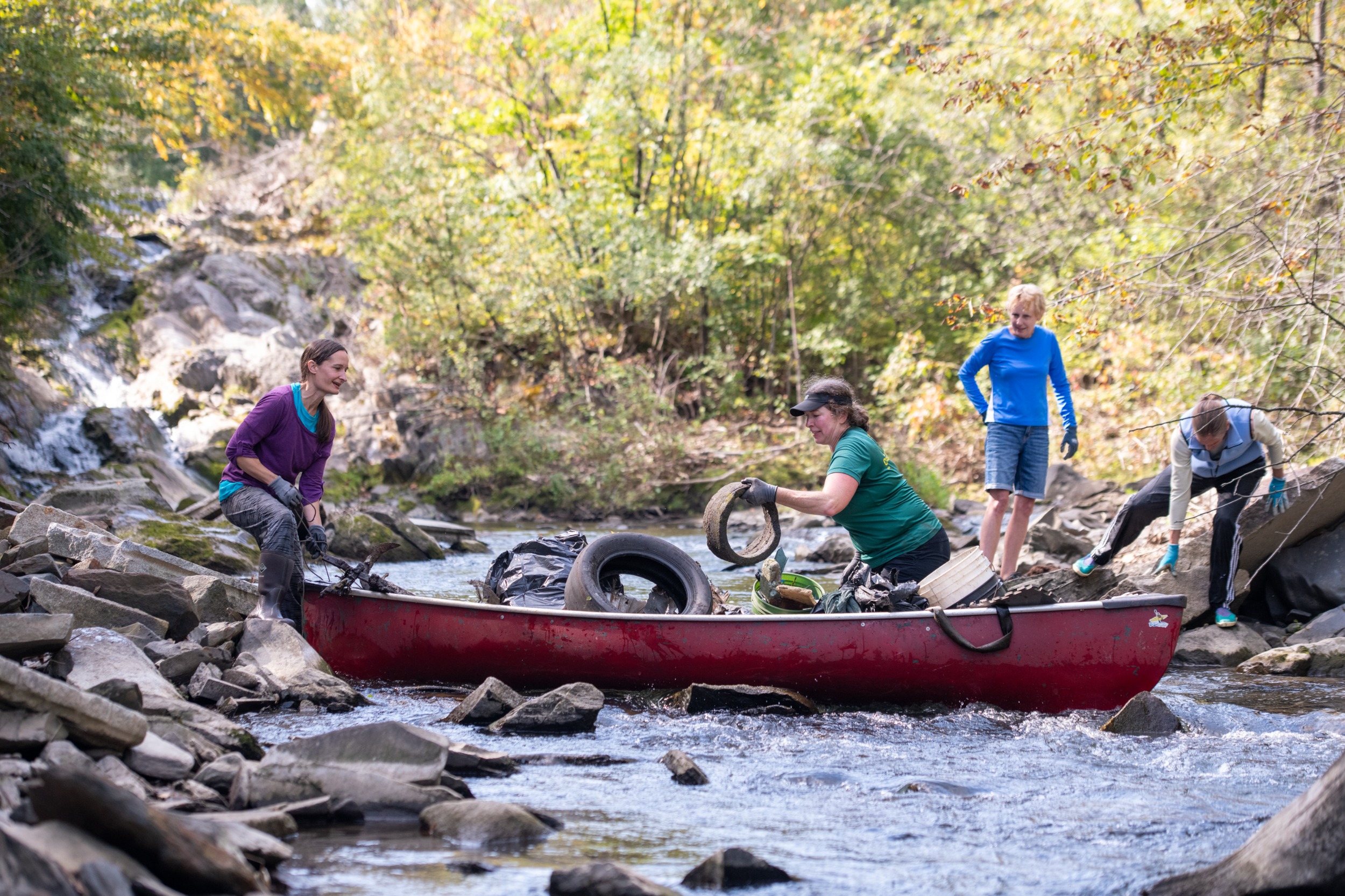
Stewardship. We believe that having healthy, clean rivers requires stewardship by a caring community
-
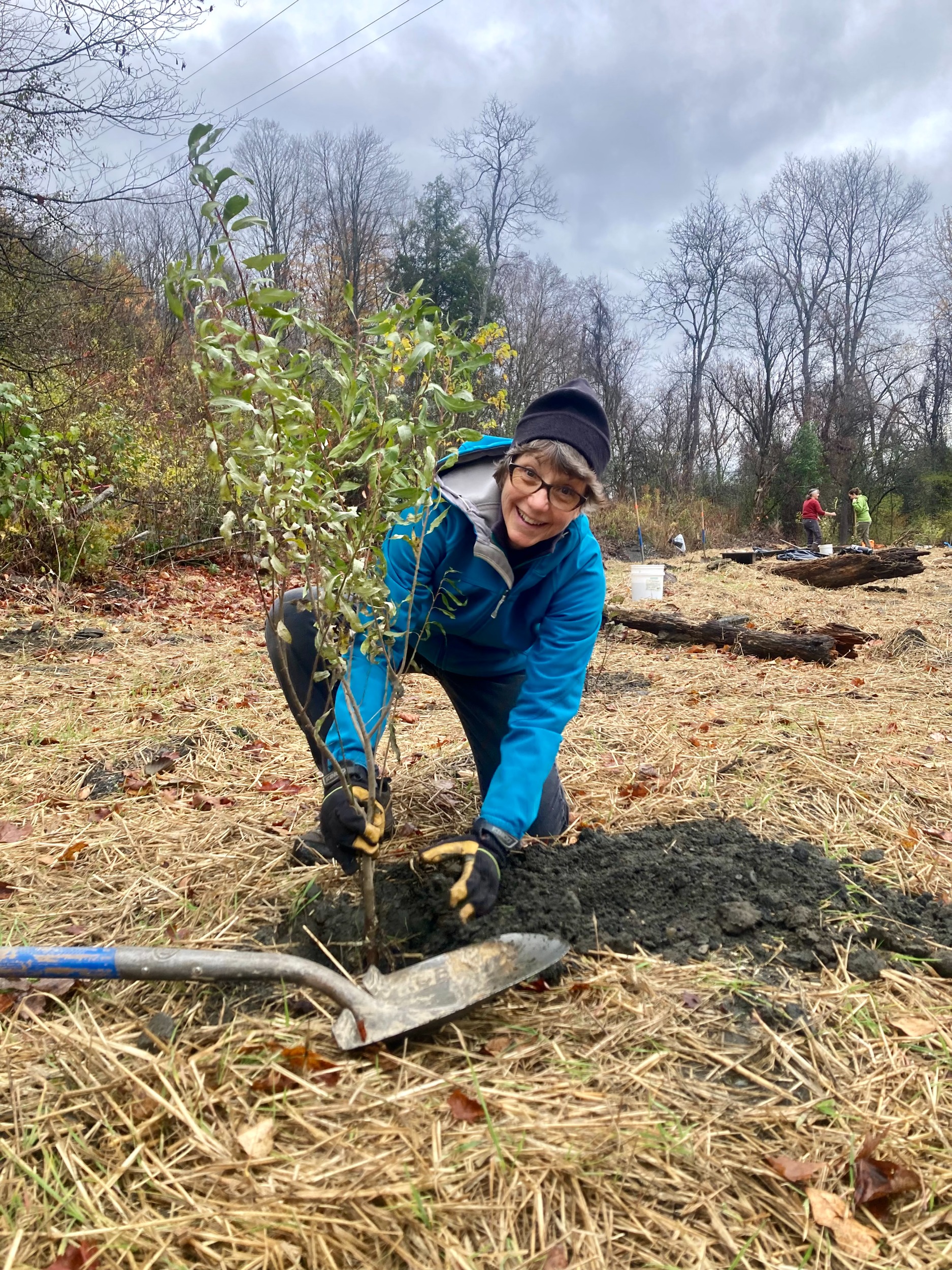
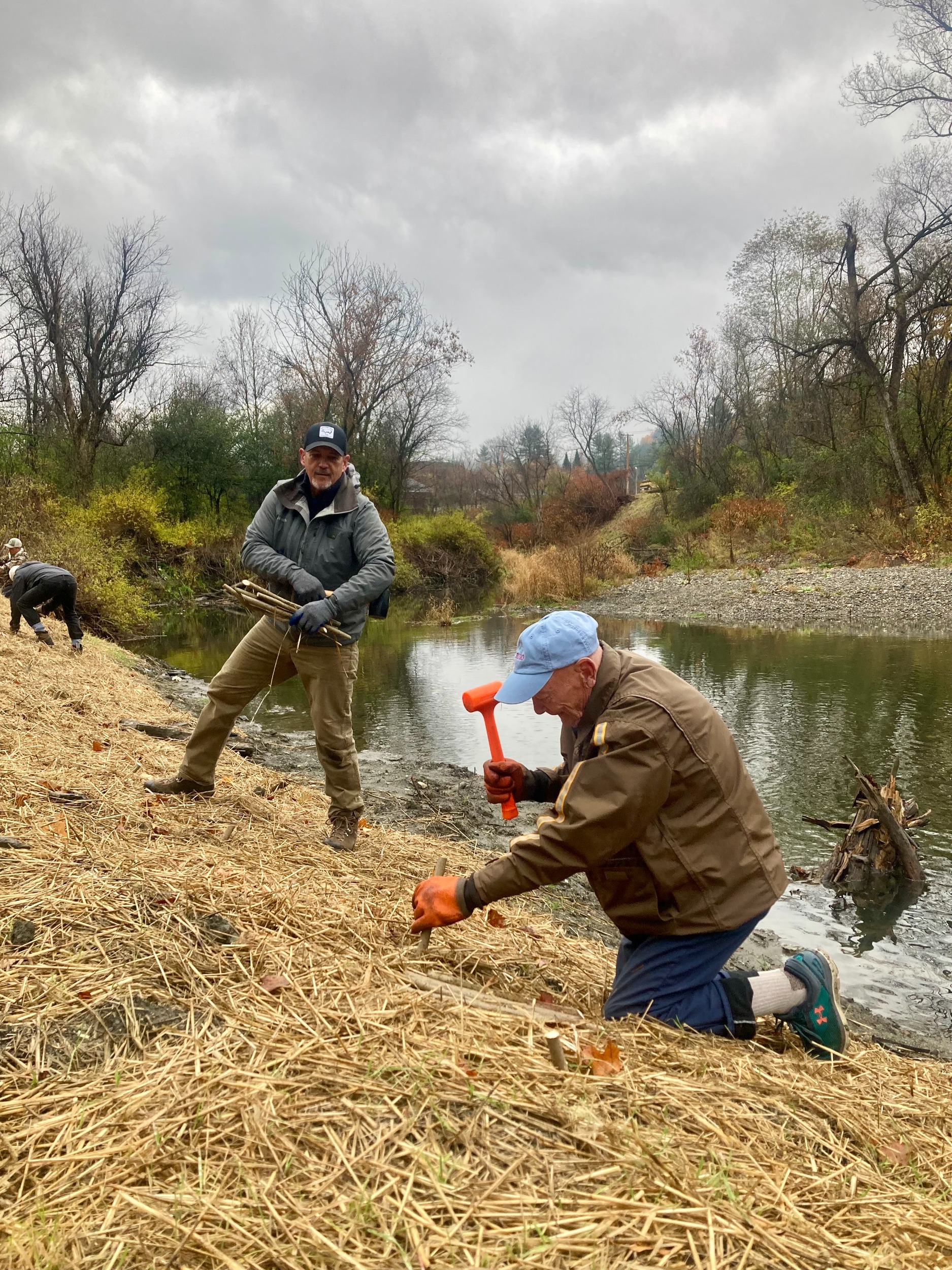
Action. We are go-getters who believe in taking action to make change. This means getting our hands dirty and boots on the ground.
-
Collaboration. We value working with others in a collaborative respectful manner and building partnerships while working towards common goals.
-
Joy. We value the ability to be creative and have fun with the projects we work on and the opportunities to share the joy we experience.
-
Safety. We believe that people should have safe access to the rivers in Barre.
-
Connection. We value community in our work connecting with our neighbors, our history, the watershed and our collective.
The Collective
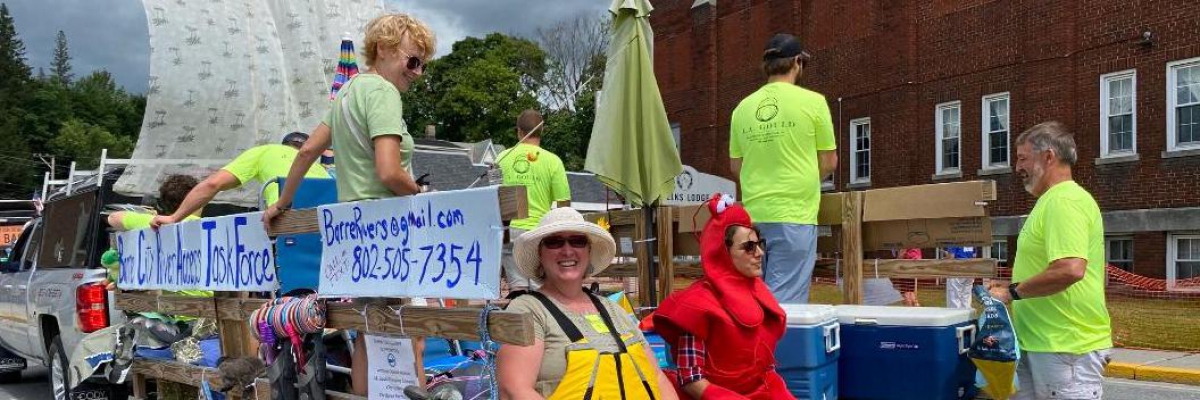
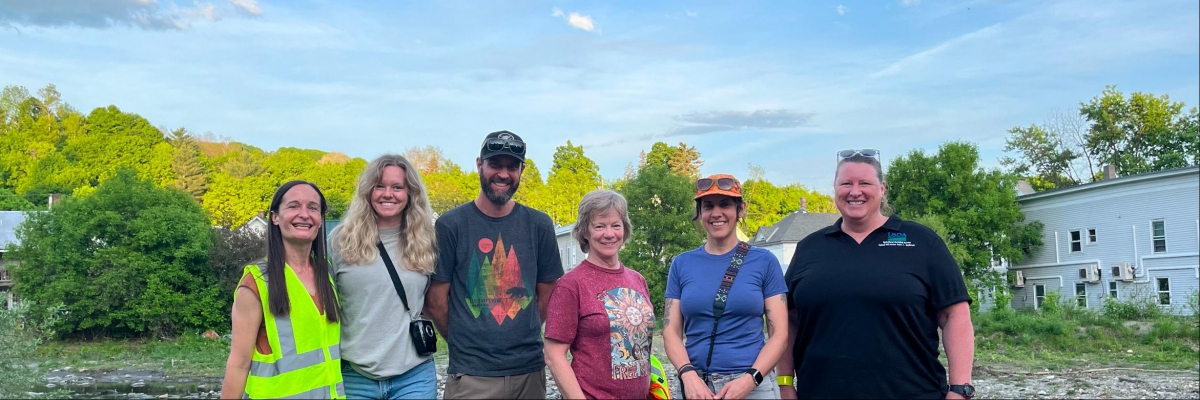
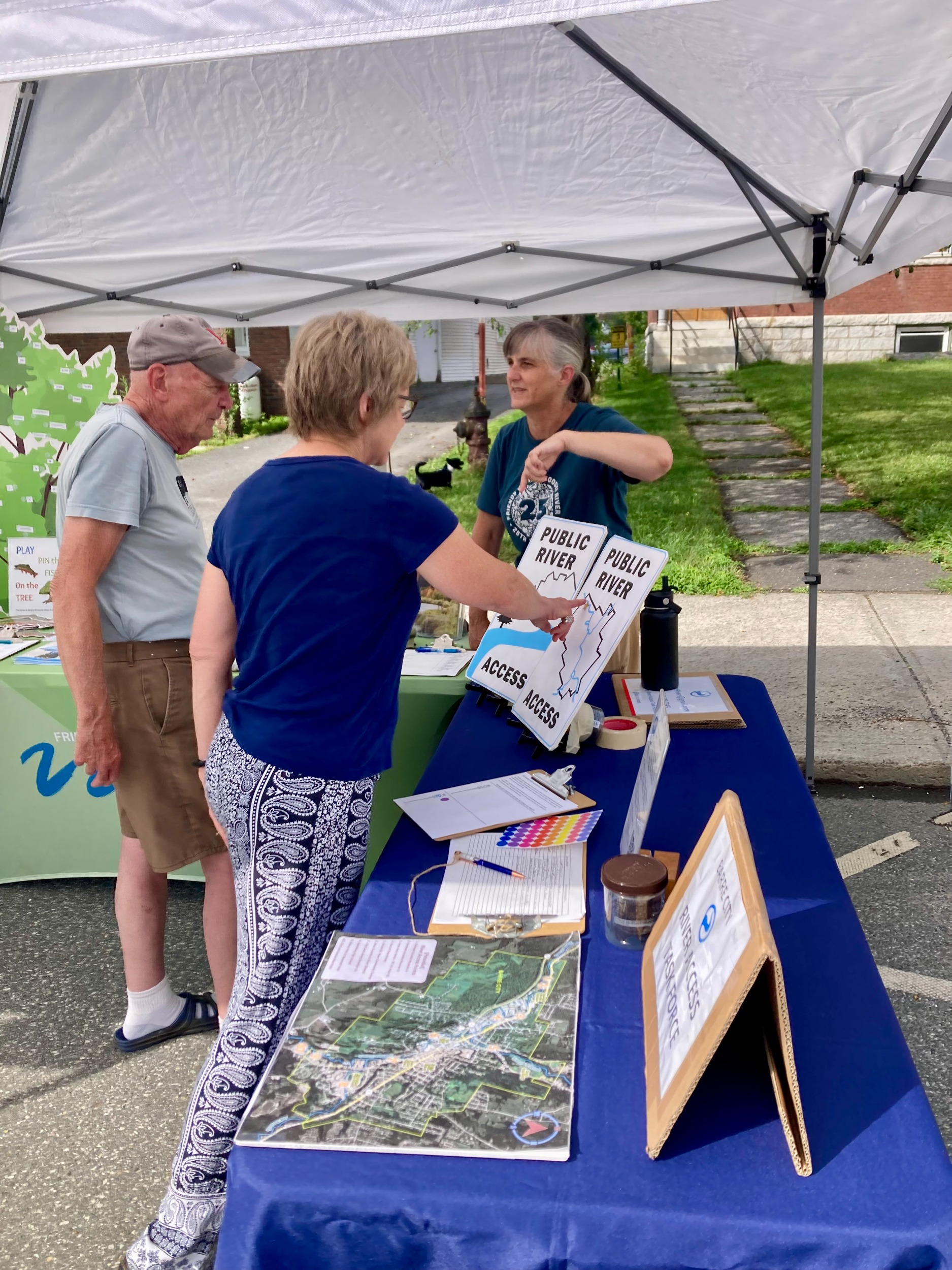
River access was identified as a top priority by the Barre City community in the fall of 2021 as part of the All in for Barre event led by Barre City and the Vermont Council on Rural Development (VCRD). As a result, the Barre City River Access Task Force— now known as Barre Rivers Collective — was created. The Collective is made up of a group of local residents who meet monthly to promote and increase river access through community engagement, access development, education, and outreach activities.
The City
On November 6, 1780, 19,900 acres of land which was west of the New Hampshire Grants and east of New York was chartered to William Williams and 60 others and given the name of Wildersburgh. This chartered land encompassed the area that is now known as the City of Barre and the Town of Barre. In 1788 John Goldsbury and Samuel Rogers brought their families here and began to settle the area. For reasons best known to the people of the time, just under four square miles of the more populated area of the town was carved out in 1895, and the City of Barre was created by the action of the voters and the charter which was granted by the state legislature.
The River
According the The Barre Daily Times, starting in 1908 and taking a number of years to complete, the course of the Stevens Branch was to be altered into the path we see today. The course of the Stevens branch was to be turned from the rear of the business block on Main Street and made to flow across Burnham’s Meadow to avoid the yearly flooding of the businesses basements and to abate the perpetual nuisance in every way which the river had been to the abutting land owners and the City in general (07-22-1910). The map at right shows the Stevens Branch's location in 1905.
Where To Find Us
On the River : )
Facebook as River Access Task Force
Instagram @barrerivers
Email [email protected]
Call/Text 802-505-7345
.jpg)